Top Plumbing Challenges Faced by Georgia Businesses (and How to Solve Them)
May 7, 2026
Plumbing systems are the backbone of commercial properties, yet they often remain overlooked until a serious issue disrupts operations. Across Georgia, businesses rely heavily on consistent water supply, efficient drainage, and properly functioning fixtures to maintain daily productivity. From restaurants and retail stores to office buildings and industrial facilities, even minor plumbing problems can escalate into costly repairs, health hazards, and operational downtime. Understanding the most common plumbing challenges is essential for maintaining compliance, protecting assets, and ensuring seamless business continuity. Proactive attention to plumbing infrastructure not only minimizes unexpected breakdowns but also supports long-term operational stability. Investing in regular maintenance and professional inspections helps businesses stay ahead of potential issues before they become critical failures.
Georgia’s diverse climate, aging infrastructure in certain regions, and varying commercial demands create unique plumbing concerns for business owners. Seasonal temperature fluctuations, heavy usage patterns, and outdated systems can all contribute to recurring issues that require strategic solutions. By identifying these challenges early and implementing preventative measures, businesses can reduce long-term costs and avoid unexpected disruptions. This blog explores the top plumbing challenges faced by Georgia businesses and provides practical, actionable solutions to address them effectively while maintaining efficiency, safety, and compliance with local standards. Taking a proactive approach also improves system lifespan and enhances overall building performance. With the right strategies in place, businesses can ensure reliable plumbing operations while avoiding costly emergency repairs and service interruptions.
1. Frequent Drain Clogs in High-Use Commercial Spaces
Causes of Persistent Drain Blockages
Commercial environments such as restaurants, hotels, and healthcare facilities experience heavy daily water usage. Grease buildup, food debris, soap residue, and foreign objects accumulate inside pipes over time, causing frequent clogs. Unlike residential systems, commercial plumbing endures constant strain, making blockages more severe, especially during peak operating hours when demand on drainage systems increases significantly.
Impact on Business Operations
Clogged drains disrupt workflow, create unpleasant odors, and may result in serious health code violations. In food service industries, blocked drains can halt operations entirely, leading to revenue loss and reputational damage. These issues also reduce employee productivity and negatively affect customer experiences, making it difficult for businesses to maintain efficiency and meet service expectations consistently.
Practical Solutions and Preventative Measures
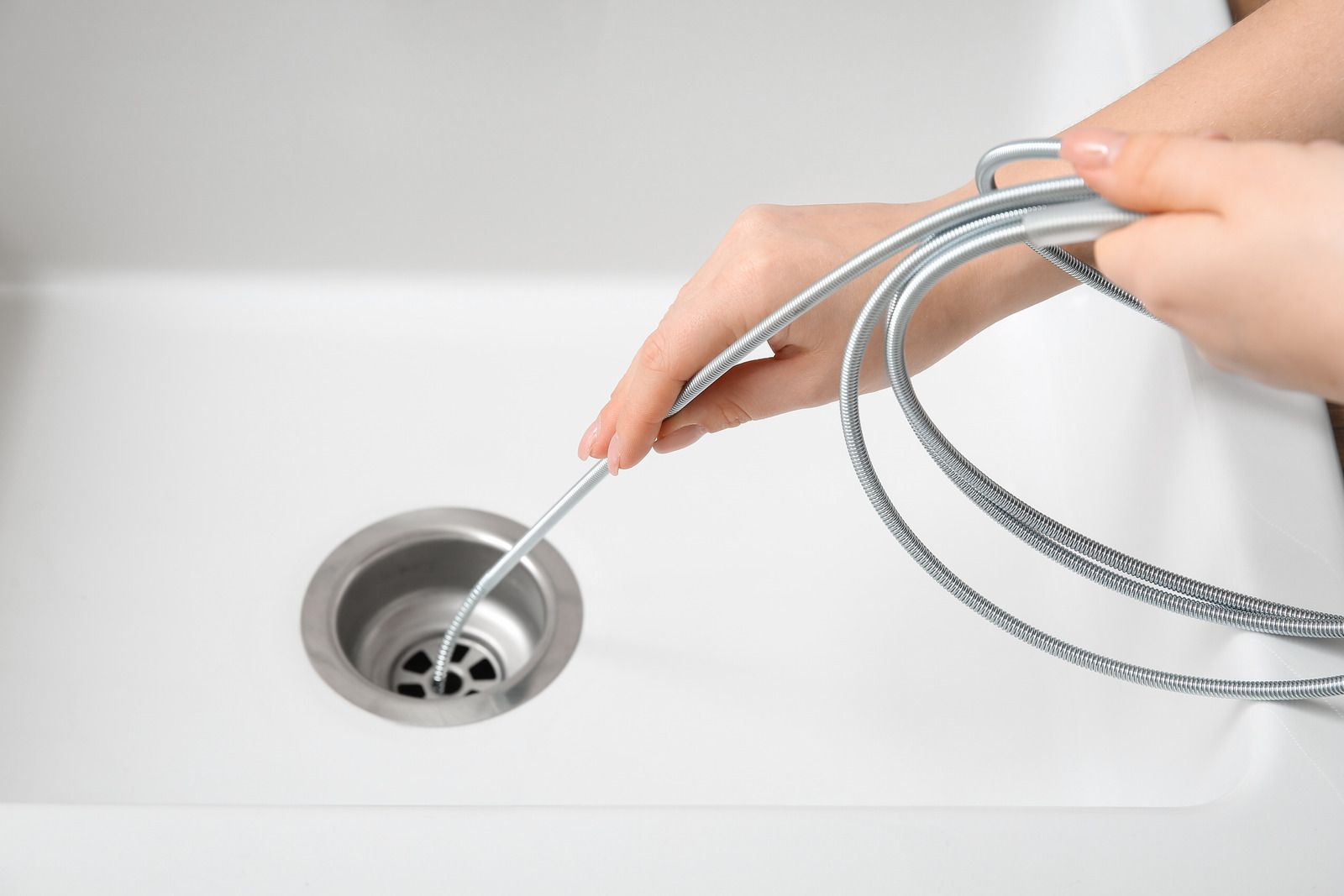
Routine drain cleaning prevents buildup and ensures consistent performance in commercial plumbing systems. Installing grease traps and training staff on proper waste disposal reduces clog risks significantly. Hydro jetting effectively removes stubborn debris and restores flow. Scheduled maintenance helps detect minor issues early, preventing costly disruptions and ensuring smooth, efficient operations across all departments and service areas.
2. Leaking Pipes and Water Waste
Common Causes of Pipe Leaks
Pipe leaks commonly occur due to corrosion, excessive water pressure, temperature fluctuations, and aging plumbing systems. Seasonal changes in regions like Georgia cause pipes to expand and contract, increasing leak risks. Older buildings with outdated infrastructure are especially vulnerable, making regular inspections and timely upgrades essential to prevent long-term water damage and maintain system efficiency.
Consequences of Undetected Leaks
Undetected leaks can waste significant amounts of water, raising utility bills and causing property damage. Moisture intrusion weakens structural components and promotes mold growth, creating unsafe working conditions. Over time, these issues increase repair costs and liability risks for business owners, making early detection critical to protecting both financial resources and overall workplace safety standards.
Effective Solutions for Leak Management
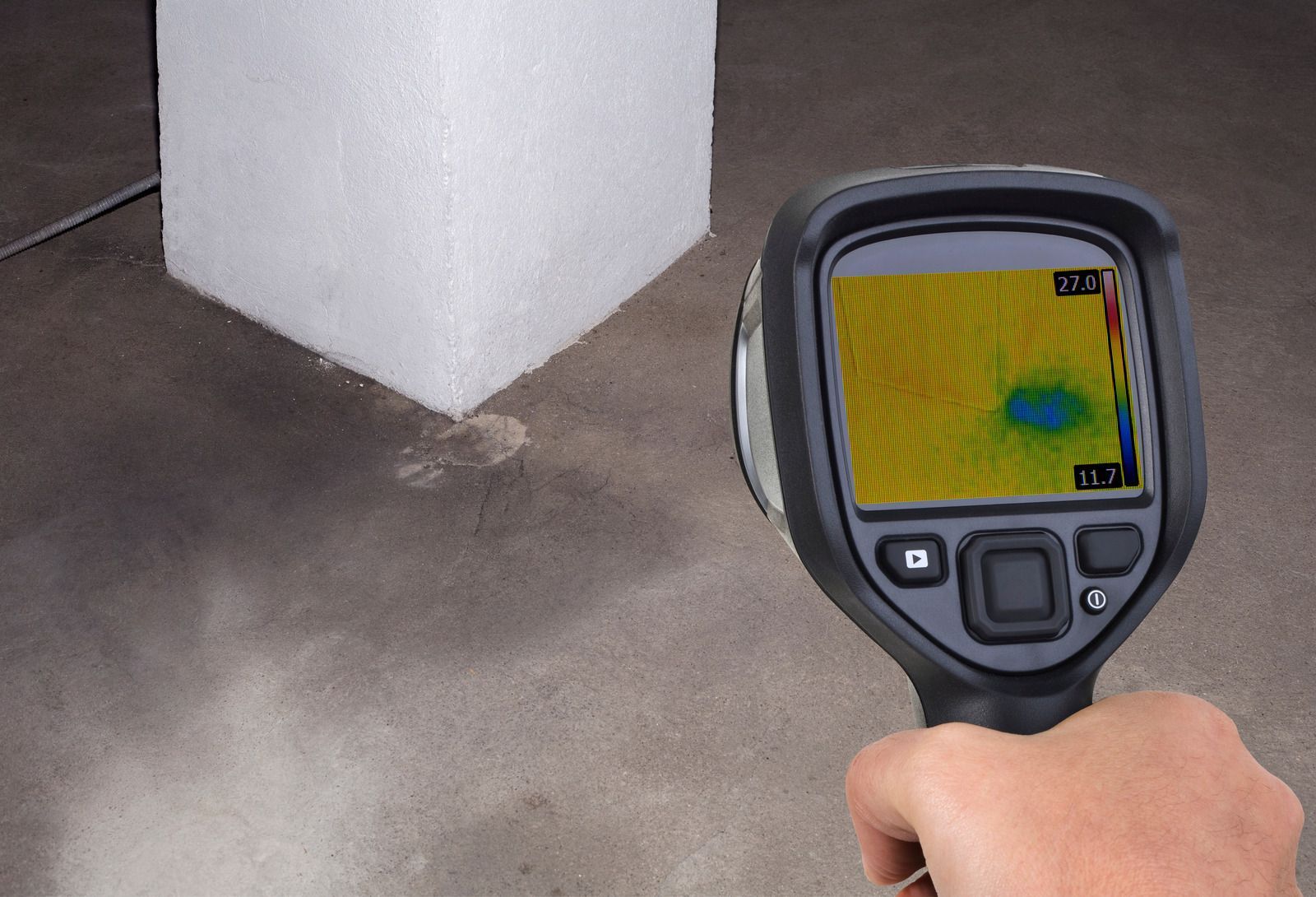
Regular inspections using advanced leak detection technology help identify hidden problems early. Replacing outdated pipes with durable modern materials improves reliability and efficiency. Installing pressure regulation systems reduces strain on plumbing networks. Prompt repairs prevent further damage, ensuring sustainable water usage, lowering costs, and maintaining operational efficiency for businesses that rely heavily on consistent water supply systems.
3. Water Pressure Problems
Understanding Inconsistent Water Pressure
Low or fluctuating water pressure is a common issue in commercial properties. It often results from pipe blockages, leaks, or municipal supply problems. Excessively high pressure can damage fixtures and accelerate wear on plumbing components. Both extremes reduce system efficiency and increase maintenance needs, making proper pressure management essential for long-term performance and reliability.
Operational Challenges Caused by Pressure Issues
Inconsistent water pressure disrupts daily operations in water-dependent businesses like hotels, laundromats, and restaurants. Low pressure slows processes, while high pressure damages equipment. These challenges reduce efficiency, delay services, and negatively impact customer satisfaction. Maintaining stable water pressure is essential for ensuring smooth operations and delivering consistent, high-quality service in competitive commercial environments.
Solutions for Maintaining Optimal Pressure
Installing pressure regulators ensures stable water levels throughout the system. Regular maintenance keeps pipes clear and functioning efficiently. When municipal supply is inadequate, booster pumps improve pressure and support consistent flow. These solutions help businesses maintain reliable operations, reduce equipment strain, and ensure water availability during peak demand periods without interruptions or performance issues.
4. Sewer Line Issues and Backups
Causes of Sewer Line Failures
Sewer line failures are often caused by tree root intrusion, pipe deterioration, and improper waste disposal practices. Older infrastructure is especially vulnerable to cracks and collapses. In many areas, aging systems increase the likelihood of unexpected failures, making proactive maintenance and inspections essential to prevent costly emergency repairs and disruptions to business operations.
Risks Associated with Sewer Backups
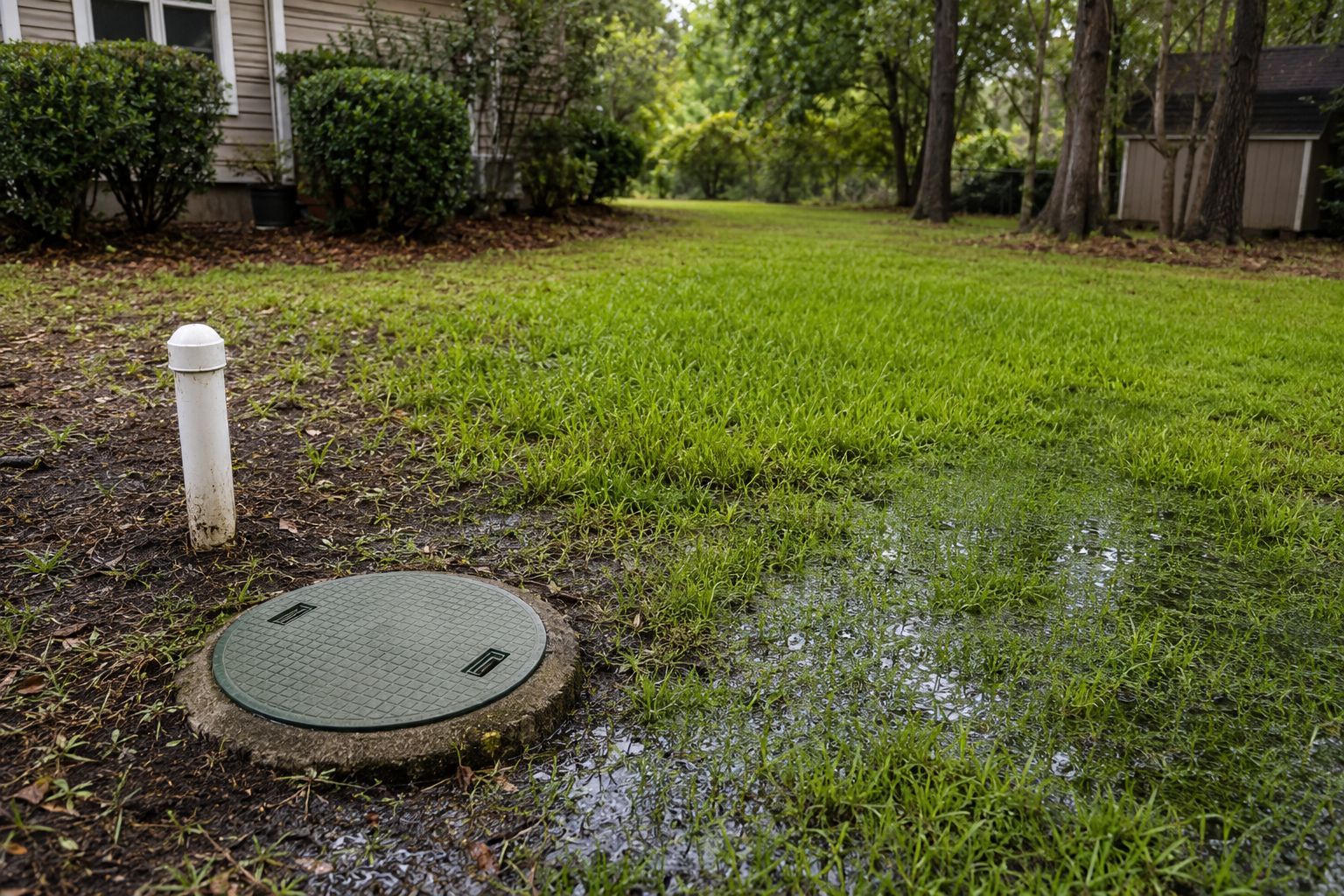
Sewer backups pose serious health hazards and can cause extensive property damage. Exposure to contaminated water creates unsafe conditions for employees and customers. These incidents may lead to temporary closures, regulatory penalties, and expensive cleanup efforts. Such disruptions significantly impact business continuity, profitability, and reputation, making prevention and quick response strategies critically important.
Preventative and Corrective Strategies
Routine sewer inspections using camera technology help identify blockages and structural issues early. Trenchless repair methods provide efficient solutions with minimal disruption to operations. Educating staff about proper waste disposal reduces risks. These proactive measures improve system reliability, prevent costly damage, and ensure smooth, uninterrupted business operations while maintaining safe and sanitary conditions.
5. Water Heater Failures in Commercial Settings
Why Commercial Water Heaters Fail
Commercial water heaters operate under constant demand, making them prone to wear and tear. Sediment buildup, faulty components, and lack of maintenance often lead to system failures. Facilities requiring continuous hot water face higher risks, especially when equipment is not serviced regularly, resulting in reduced efficiency and unexpected breakdowns that disrupt operations.
Business Impact of Hot Water Disruptions
Hot water shortages significantly impact businesses in hospitality, healthcare, and food service industries. Service delays, poor customer experiences, and sanitation violations can occur quickly. These issues may lead to negative reviews, compliance problems, and loss of customer trust, ultimately affecting revenue and long-term business reputation in highly competitive markets.
Maintenance and Replacement Solutions
Routine flushing removes sediment buildup and improves heater efficiency. Regular inspections ensure all components function properly. Upgrading to energy-efficient systems enhances performance and reduces costs. Implementing a consistent maintenance schedule extends equipment lifespan, ensures reliable hot water availability, and supports uninterrupted operations in demanding commercial environments with high usage requirements.
6. Compliance with Plumbing Codes and Regulations
Importance of Staying Code-Compliant
Businesses must comply with plumbing codes and regulations to ensure safety and functionality. Non-compliance can result in fines, legal issues, and operational shutdowns. These consequences damage reputation and create financial setbacks. Staying compliant helps businesses maintain safe environments, meet legal requirements, and operate smoothly without unexpected interruptions or regulatory complications.
Common Compliance Challenges
Outdated systems, improper installations, and lack of inspections often lead to compliance violations. Rapid expansion without upgrading infrastructure can create additional challenges. Businesses may struggle to meet evolving standards and maintain proper documentation, increasing the risk of penalties and operational disruptions if compliance issues are not addressed proactively and consistently.
Best Practices for Ensuring Compliance
Working with licensed professionals ensures installations and repairs meet current standards. Regular audits identify potential compliance gaps early. Staying informed about regulations allows businesses to adapt proactively. These practices help avoid penalties, maintain operational stability, and ensure long-term adherence to safety and industry standards in commercial plumbing systems.
Reliable Plumbing Professionals Supporting Business Continuity
Plumbing challenges in Georgia businesses are diverse, ranging from frequent drain clogs to complex sewer line issues and compliance concerns. Addressing these problems requires a proactive approach that combines regular maintenance, modern technology, and informed decision-making. By understanding the root causes and implementing effective solutions, businesses can minimize disruptions, control costs, and maintain safe, efficient operations. Investing in preventative strategies not only protects infrastructure but also enhances long-term performance and reliability. Consistent monitoring and timely interventions further reduce the risk of unexpected failures. This approach allows businesses to operate smoothly while avoiding costly emergency repairs and operational setbacks.
At SHARP Improvements, located in Monroe, Georgia, extensive industry experience supports businesses in overcoming complex
plumbing challenges
with confidence. With 10
years of hands-on expertise, our approach focuses on delivering reliable solutions tailored to commercial needs. From preventative maintenance to advanced system upgrades, every service is designed to improve efficiency and reduce downtime. Our commitment to quality workmanship, compliance, and customer satisfaction ensures that businesses receive dependable support for long-term success. We prioritize long-lasting solutions that align with industry standards and evolving business demands. By choosing a trusted partner with proven experience, businesses can safeguard operations and maintain seamless functionality in an ever-demanding commercial environment.
You might also like