
Mystery High Water Bill but No Visible Leak? How Leak Detection Finds It
September 30, 2026
Quick Answer: A water bill that jumps with no puddle, wet spot, or dripping faucet in sight usually means the leak is hidden, not absent. Common causes include a toilet flapper leaking silently into the bowl, an irrigation valve stuck partly open underground, a slab or underground service line leak, or a water heater tank weeping without ever reaching the floor. A plumber isolates the problem by testing the water meter with everything in the house shut off, then uses acoustic listening equipment, pressure isolation, and moisture detection to trace the exact point of loss without cutting open walls or digging up the yard to search blindly.
Your water bill showed up this month noticeably higher than usual, maybe close to double what you paid the month before, and you have already walked the house looking for the obvious signs. No wet carpet. No stain spreading across a ceiling. No puddle by the water heater or under a sink. Every faucet looks dry, every toilet looks normal, and the yard does not have a soggy patch anywhere you can see. Yet the number on the bill is real, and it did not get there on its own.
A leak does not have to show itself to be draining water, and money, out of your house every single day. Water finds the path of least resistance, and in a lot of homes that path runs underground, inside a wall cavity, or straight down a drain where nobody would ever notice a slow, steady loss. The good news is that a leak with no visible sign still leaves evidence, just not the kind you can spot by walking around with a flashlight. Leak detection uses tools built for exactly this problem, finding water loss that is real but invisible to the eye.
Why a Leak Can Cost You Without Ever Being Seen
Water loss without a visible sign is common with a handful of specific culprits, and once you understand where they typically hide, the mystery makes a lot more sense.
A toilet flapper that no longer seals evenly lets water trickle from the tank into the bowl around the clock. That water goes straight down the drain with each unnoticed refill cycle, which means there is nothing pooling on the floor and nothing to see, just a tank that keeps quietly refilling itself hour after hour, day after day.
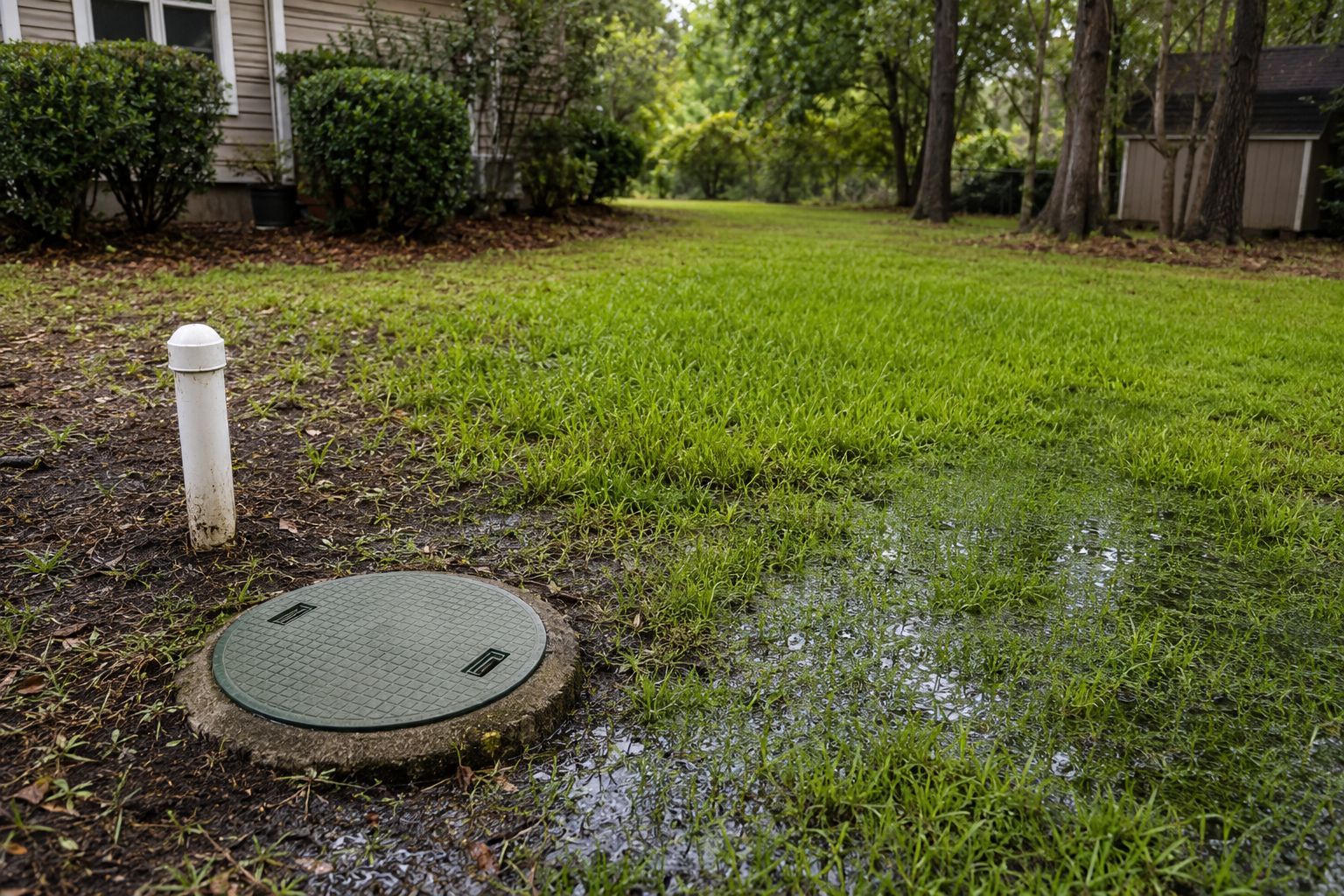
An underground service line, the pipe running from the water meter at the street or curb to your house, sits buried under lawn, mulch beds, or a driveway. A pinhole leak or a cracked joint in that line lets water seep straight into the surrounding soil, where it gets absorbed long before it ever reaches the surface. Homeowners sometimes notice a patch of grass that stays greener or softer than the rest of the yard for weeks before they connect it to the water bill, if they connect it at all.
A slab leak, where a supply line running under a concrete foundation develops a leak, behaves the same way. The water fills the ground beneath the slab and can travel sideways before it ever finds a crack or seam to surface through. By the time a slab leak shows itself as a warm spot on the floor or a damp edge along a baseboard, it has often been running for weeks or months already.
An irrigation system with a valve stuck partly open, or a cracked zone line buried a few inches under the lawn, adds up the same way a service line leak does: a continuous underground loss that never produces a puddle anyone walks past.
A water heater tank that has started to weep from a small failure point low on the tank, or from a fitting that has loosened over time, can lose water into a drain pan or straight into the ground beneath a slab mounted unit long before enough accumulates to be visible at floor level.
Tip: Before calling anyone, try a simple check yourself. Make sure nothing in the house is using water, no dishwasher, no washing machine, no sprinklers running, then find your water meter and watch the small leak indicator dial or triangle for several minutes without touching anything. If it is spinning or ticking over with every fixture in the house off, water is moving somewhere it should not be, and that observation alone helps narrow down whether the problem is likely indoors or somewhere between the meter and the house.
How Much Water a Silent Leak Can Actually Move
A leak does not have to look dramatic to move a genuinely large amount of water over a full billing cycle. A toilet flapper leaking just enough to keep the fill valve cycling every few minutes can run through hundreds of gallons a day without ever overflowing the bowl. A pinhole leak in a buried service line under constant house pressure keeps moving water around the clock, seven days a week, whether anyone is home or not. Compare that to a dripping faucet, which most people can hear and fix quickly, and it becomes clear why the leaks that never show themselves are usually the ones responsible for the biggest jump in usage. The volume is rarely the mystery. The location is.
Local Conditions That Make Hidden Leaks More Likely Here
Walton County and the surrounding North Georgia area add a few local factors that make an invisible leak more likely than in some other parts of the country. The red clay soil common across Monroe, Loganville, Watkinsville, and the rest of the region holds moisture and shifts with the seasons more than sandier soil does elsewhere. That shifting puts steady pressure on buried service lines and irrigation piping, and a joint that was solid when it was installed can work loose or crack years later as the ground around it moves.
Humidity through a North Georgia summer also means soil rarely dries out completely, so a leak into the ground stays hidden for a long time rather than producing a dry, cracked patch that would catch someone's eye. On the occasional hard freeze that reaches this part of the state, a service line sitting closer to the surface than it should, or a line running along an exterior wall with thin insulation, can crack from the cold and start a slow underground loss that will not show up right away, and may not surface even after a thaw.
None of this means every high bill in the area points to one specific cause, but it does explain why a hidden leak is a realistic, common answer here rather than a rare fluke.
How Leak Detection Actually Finds What You Cannot See
Leak detection is built around ruling things in and out systematically, rather than guessing and digging. The process typically starts with a controlled meter test: every fixture and appliance that uses water gets shut off, and the meter is watched over a set period to confirm water is moving through the line with nothing calling for it. That single step confirms a leak exists somewhere on your side of the meter before anyone opens a wall or touches the yard.
From there, acoustic listening equipment picks up the distinct sound a pressurized line makes at the exact point where water is escaping, a sound that travels through pipe and soil and gets picked up by sensitive microphones placed at intervals along the suspected path. That sound signature narrows a leak down to a specific section of pipe, often within a few feet, without any excavation.
Pressure isolation testing works section by section, closing valves to separate parts of the plumbing system and checking which section holds pressure and which one drops. It is one of the more reliable ways to confirm whether a leak sits on the supply side feeding the house or inside the house itself, and it helps rule out entire sections of pipe quickly.
For a suspected slab leak, thermal imaging and moisture meters read temperature and dampness differences across a floor or wall surface, since water moving under a slab or inside a cavity changes the surface reading even when nothing is visible to the eye. Combined with the acoustic and pressure data, this gives a plumber a specific target area rather than an educated guess.
Warning: Waiting on a mysterious high bill in hopes it corrects itself next month rarely works out that way. A hidden leak under a slab or lawn does not heal on its own, and a line already cracked from ground movement or a hard freeze tends to get worse, not better, the longer it stays under constant water pressure. What starts as a bill that is higher than usual can turn into a bigger repair, and in the case of a slab leak, water that keeps traveling under a foundation for months can eventually affect flooring or the slab itself.
What Happens Once the Leak Is Located
Finding the exact point of the leak is what turns a stressful mystery into a defined repair. A leak isolated to a short section of an underground service line is often fixed with a spot repair at that one location rather than replacing the entire run. A leak inside a wall or under a floor, once pinpointed, means only the specific section behind that wall or floor needs to be opened, instead of tearing out material across the whole room while searching. A slab leak that is confirmed and located precisely can sometimes be addressed by rerouting the line above the slab instead of breaking through the concrete at all, depending on where the line runs and how the plumbing was originally laid out. In every case, accurate detection is what keeps the repair contained to the actual problem instead of a wider search that costs more time and more disruption than the leak itself.
When a High Bill Points Indoors Instead of Outdoors
Not every unexplained jump traces back to something buried in the yard or under the slab. A few signs point toward an indoor cause worth checking first. A toilet that occasionally makes a brief refill sound with nobody having flushed it is one of the clearest indoor indicators, and it usually means a flapper or fill valve needs attention rather than anything involving excavation. A water softener or humidifier system that cycles more than expected can also add up over a billing period.
If your meter test shows movement but every fixture, toilet, and appliance checks out normal by ear and by touch, that combination is exactly when a professional detection visit earns its place, since the leak is real but sitting somewhere none of those simple checks can reach.
Frequently Asked Questions
My water bill went up but I do not see any water anywhere in or around my house. Is it possible there is no leak at all?
It is possible but uncommon. A small one-time jump may come from guests or extra watering. A steady increase with no change in use points to a hidden leak, and a meter test shows which.
How long does a leak usually run before it shows up on a bill?
A leak large enough to raise your bill has often run for at least one billing cycle. Slow leaks into soil or under a slab can run for months, so the bill is usually the first warning.
Can a running toilet really account for a big jump in the bill?
Yes. A flapper that does not seal can refill the tank dozens of times an hour, adding up to a large volume over a month even though nothing overflows or drips.
Does leak detection require digging up my yard or cutting into walls just to find the problem?
No. Acoustic listening, pressure isolation, and moisture or thermal readings pinpoint the leak first, so any digging or opening of walls targets a small, confirmed area instead of a wide search.
If my septic system handles a lot of water, could that explain a higher bill instead of a leak?
No. A septic system only receives water the house sends it and does not raise the meter reading. A higher metered bill points to a change in household use or a leak on the line.
What is the first thing I should do if I suspect a hidden leak?
Shut off every fixture and appliance, then watch the meter's leak indicator for several minutes. If it moves, water is flowing somewhere it should not be, and professional detection can narrow down exactly where.
Finding Hidden Leaks Before They Cost You More
A water bill that climbs with nothing to see is rarely a mystery without an answer. The leak is real, it is simply out of sight, whether it sits under a lawn, beneath a slab, or inside a toilet tank that keeps quietly refilling. Systematic testing with a meter check, acoustic listening, pressure isolation, and moisture readings turns a stressful guess into a confirmed location. From there, the repair stays small, targeted, and far less disruptive than a blind search.
At SHARP Improvements, we have spent 10
years helping homeowners in Monroe, Georgia, track down leaks that never announce themselves. Red clay soil, humid summers, and the occasional hard freeze all make hidden losses a realistic possibility in this part of the state. The sooner a leak is located, the less water, money, and property it takes with it. A clear answer is always better than another month of wondering what the next bill will bring.
You might also like