
Drains All Over the House Slow at Once? Why It Points to the Main Line
July 6, 2026
Quick Answer: When every drain in the house slows down at the same time, the problem is almost never a single clogged fixture. It points to the main line, the one large pipe that carries wastewater from all your sinks, tubs, and toilets out to the sewer or septic tank. A blockage there, from tree roots, grease, scale, or a bellied section of pipe, chokes the whole system at once. Because the fault sits downstream of every fixture, plunging or snaking one sink does nothing. The fix is finding and clearing the main line itself, usually with a camera inspection and the right cleaning method for what is actually in the pipe.
You run the washing machine and the toilet in the hall bath starts to gurgle. Someone takes a shower and the tub is slow to empty while the kitchen sink backs up. The pattern feels random until you notice the common thread: it is not one drain acting up, it is all of them, more or less at the same time. That shift, from a single slow sink to the whole house dragging, is the tell.
When drains slow one at a time over months, you are usually looking at a local clog in that fixture's own branch line. When they slow together, the trouble has moved downstream to the pipe they all share. In North Georgia, where clay and cast-iron laterals under mature yards are common and the red-clay soil stays damp, that shared pipe takes a beating. Here is what the pattern is telling you, why it happens, and why the fix is not another bottle of drain cleaner.
How Your Drain System Is Actually Laid Out
Think of it as a tree, not a web. Every drain in your home connects to a network built like a tree. Each sink, tub, shower, and toilet has its own small branch line. Those branches feed into larger pipes, and everything eventually joins the trunk: the main sewer line, the single largest drain in the house, which carries all your wastewater out to the municipal sewer or your septic tank.
That layout is the whole reason the symptom matters. A blockage in one branch line only affects the fixture on that branch. A blockage in the trunk sits downstream of every fixture, so it starves all of them at once. This is why the plumbing industry treats "more than one slow drain" as the single clearest indicator that the problem is in the main line rather than at any one sink, a point echoed across manufacturer and service guides alike.
So when you see the pattern spread, that is not a coincidence of several drains failing on the same weekend. It is one fault in one shared pipe showing up everywhere the water tries to leave.
The Signs That Say Main Line, Not Fixture
Read the whole house, not one drain. A local clog and a main-line blockage can both start with a slow drain, so the difference is in the pattern. A few signs together point squarely at the main line.
Multiple fixtures slowing, gurgling, or backing up at the same time is the headline sign. If more than one drain is sluggish, making a hollow bubbling sound, smelling foul, or pushing water back up, a main-line clog is the most likely explanation. That gurgle is not random noise. Your drain system uses vents to keep air pressure neutral as water flows. When a blockage closes off the pipe, trapped air escapes back through the nearest drain, and you hear it bubble.
Cross-fixture reactions are another giveaway. Flush a toilet and water rises in the tub or shower. Run the washing machine and a nearby sink or toilet overflows. When using one fixture makes another one back up, the wastewater has nowhere to go downstream and is being forced back up the path of least resistance. That is main-line behavior, not a coincidence.
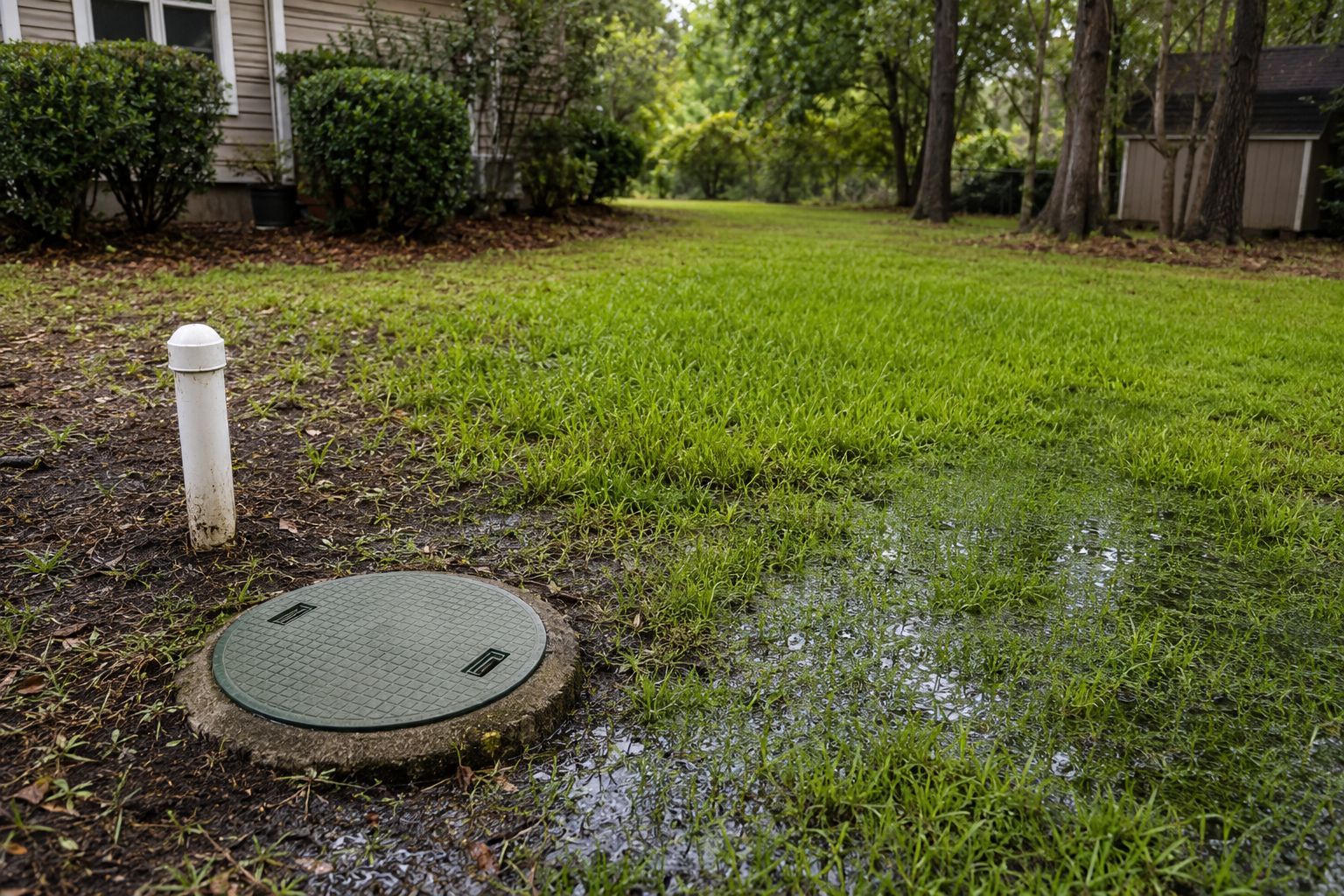
The lowest drains show it first. Water backing up in a basement floor drain, a first-floor shower, or the lowest toilet in the house is a classic early warning, because a full main line pushes sewage up through whatever opening sits lowest in the system. If you have a sewer cleanout in the yard or basement and you see water standing in it or seeping out, that essentially confirms the blockage is in the main line rather than a branch.
Tip: Before you call anyone, note the pattern in plain terms. Which fixtures are slow, in what order they act up, and whether using one makes another back up. Telling your plumber "the toilet gurgles when the washer drains and the basement drain is backing up" points straight at the main line and saves diagnostic time on the visit.
Why the Main Line Clogs in the First Place
A few culprits do most of the damage. The main line is buried, out of sight, and under constant load, so it collects trouble slowly until it gives. A handful of causes account for most of the blockages a plumber finds down there.
Tree roots are the leading cause, especially in older neighborhoods. Roots are drawn to the moisture and nutrients inside a sewer line, and they work their way in through tiny gaps at pipe joints, particularly in older clay or concrete pipe where the sealed joints have deteriorated. Once inside, feeder roots grow into a dense mass that acts like a net, catching toilet paper and waste until flow chokes off. Across North Georgia, where large hardwoods sit close to house laterals and the ground rarely freezes hard enough to slow root growth, this is a year-round problem, not just a spring one.
Grease and fat build a stubborn coating. When cooking grease goes down the drain warm, it cools and solidifies on the pipe walls downstream, narrowing the passage over time until the line clogs. Grease blockages are among the toughest to clear and often have to be cut and flushed rather than simply pushed aside.
Wipes and non-flushables compact into plugs. So-called flushable wipes do not break down the way toilet paper does. They snag on any rough spot or partial obstruction and pile up, and plumbers routinely pull wipe masses many feet long out of main lines. Paper towels, feminine products, and cotton swabs do the same.
Scale, sags, and aging pipe set the stage. Inside older clay and metal pipe, mineral scale builds a rough interior that catches debris and speeds up the next clog. A bellied section, where part of the pipe has settled into the soil and formed a low spot, collects standing water and waste that never fully clears. Cracked or partially collapsed pipe does the same and invites still more root intrusion. In the damp, shifting red clay common to Walton County and the surrounding counties, ground movement that nudges a pipe out of alignment is a familiar contributor..
How the Main Line Actually Gets Diagnosed and Cleared
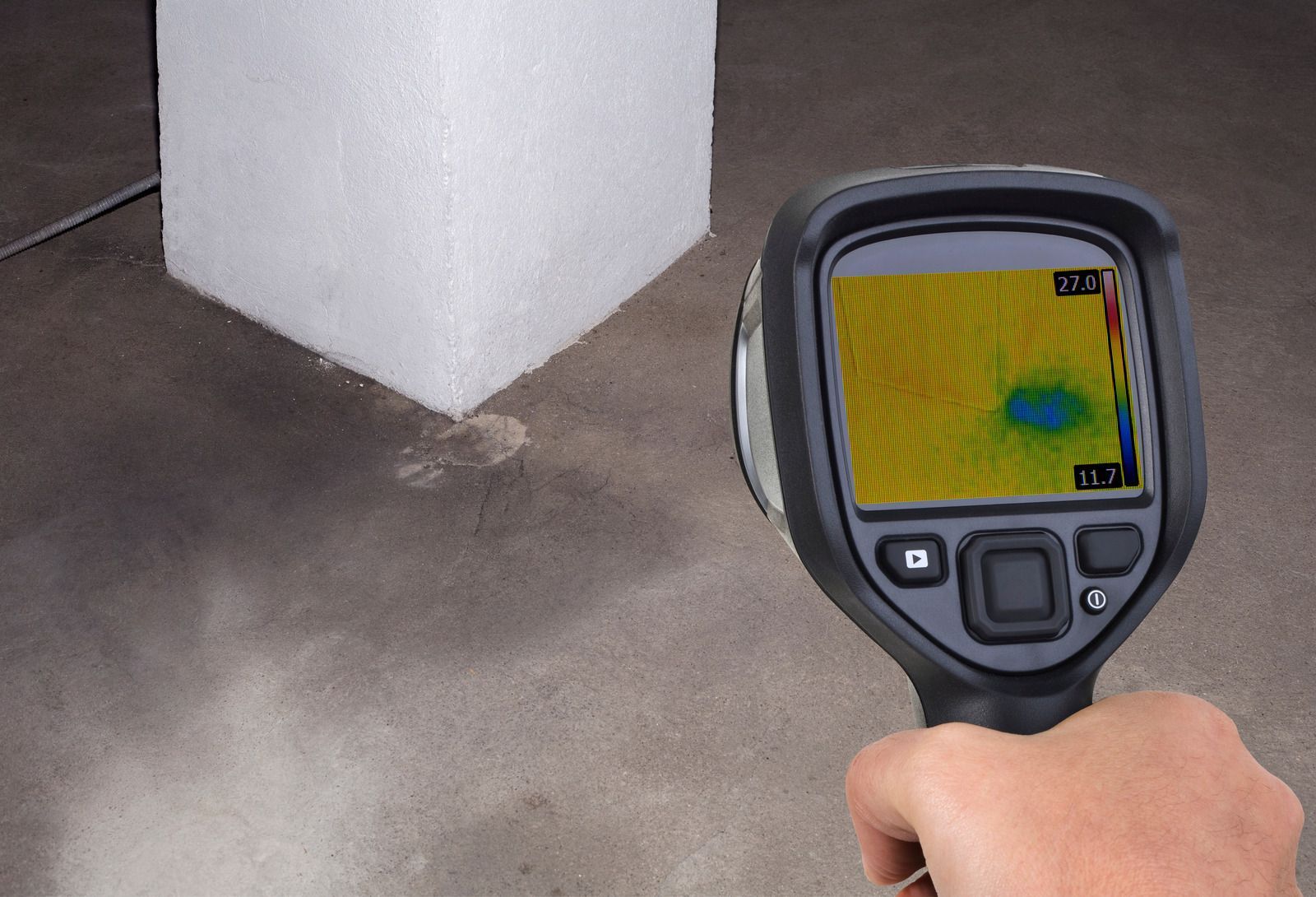
See the pipe before you clean it. Because so many different faults produce the same whole-house symptom, guessing wastes time and money. The reliable approach starts with a camera inspection: a plumber feeds a waterproof camera down the line, usually through the cleanout, and watches the interior on a monitor. That shows exactly what is going on, whether it is a root mass, a grease coating, a scale-narrowed section, a belly holding water, or a crack, and where along the run it sits.
What the camera finds decides the method. For a simple blockage or root intrusion, a motorized sewer machine with a cutting head cuts through and shaves roots back to the pipe wall to restore flow. For heavy grease, dense root growth, or a line that keeps clogging, hydro jetting is the more complete tool. It runs high-pressure water through a specialized nozzle that scours the full inside diameter of the pipe rather than just boring a hole, flushing grease, scale, sludge, and root debris out wall to wall. That is why jetting results tend to last far longer than a snake on the same line, and why it is the standard for recurring and grease-driven blockages.
What you end up with is the actual cause and the right response, whether that is cutting roots, jetting out grease, or flagging a pipe that needs repair. That beats a cycle of resetting the same backup and hoping it holds.
Frequently Asked Questions
How can I tell if it's a main line clog or just one blocked drain?
If only one drain is slow while others work normally, the clog is usually local. When several fixtures drain slowly, gurgle, or back up together, especially the lowest drains, the problem likely involves the home's shared main sewer line instead.
Why do my drains gurgle when the main line is clogged?
A clogged main line traps air that should move freely through your plumbing vents. As wastewater flows, trapped air escapes through nearby drains, creating gurgling sounds. Hearing this from multiple fixtures often signals a restriction somewhere in the home's main drain line.
Can tree roots really block the whole house's drains?
Yes. Tree roots enter aging sewer pipes through tiny cracks or joints, then expand inside the line. They catch debris and gradually restrict wastewater flow until multiple drains throughout the home slow, gurgle, or back up at the same time together.
Why does the same drain keep backing up after it was snaked?
Snaking usually creates a temporary opening through the clog but leaves grease, roots, or scale attached inside the pipe. Those remaining deposits quickly collect debris again, causing recurring backups. A camera inspection and thorough cleaning often provide a longer-lasting solution instead.
Is it safe to use chemical drain cleaner on a whole-house slowdown?
No. Chemical drain cleaners rarely reach main-line blockages and cannot remove roots or structural issues. They may damage older pipes, seals, and plumbing components while providing little improvement. Professional inspection and proper cleaning methods are safer and far more effective overall.
What does a plumber's camera inspection actually show?
A plumbing camera inspection reveals the exact cause and location of a blockage inside the main line. It identifies roots, grease, cracks, scale, or sagging sections, allowing the plumber to recommend the most effective repair or cleaning method without unnecessary guesswork.
Getting the Whole House Flowing Again
When drains slow one by one over time, you chase them one by one. When they slow all at once, the message is different: the pipe they all share has a problem, and no amount of work at any single fixture will reach it. The gurgling toilet, the tub that backs up when the washer drains, the basement drain seeping first, these are not separate failures. They are one main-line blockage announcing itself at every opening the water tries to use. Reading that pattern correctly is what points you past the sink and toward the buried pipe that actually needs attention.
Get the main line inspected before the next backup — When every drain in your home slows together, the fault is in the shared line downstream, and clearing one fixture will not touch it. With 10
years of experience, SHARP Improvements
runs a camera down the line to see exactly what is choking it, whether roots, grease, scale, or a bellied section, then clears it with the right method, from a cutting head to hydro jetting, matched to your pipe's condition. Schedule a
main-line camera inspection in Monroe, Georgia, so the problem gets found and fixed at the source instead of returning in a few weeks.
You might also like